
Plymouth Furniture Removal Services
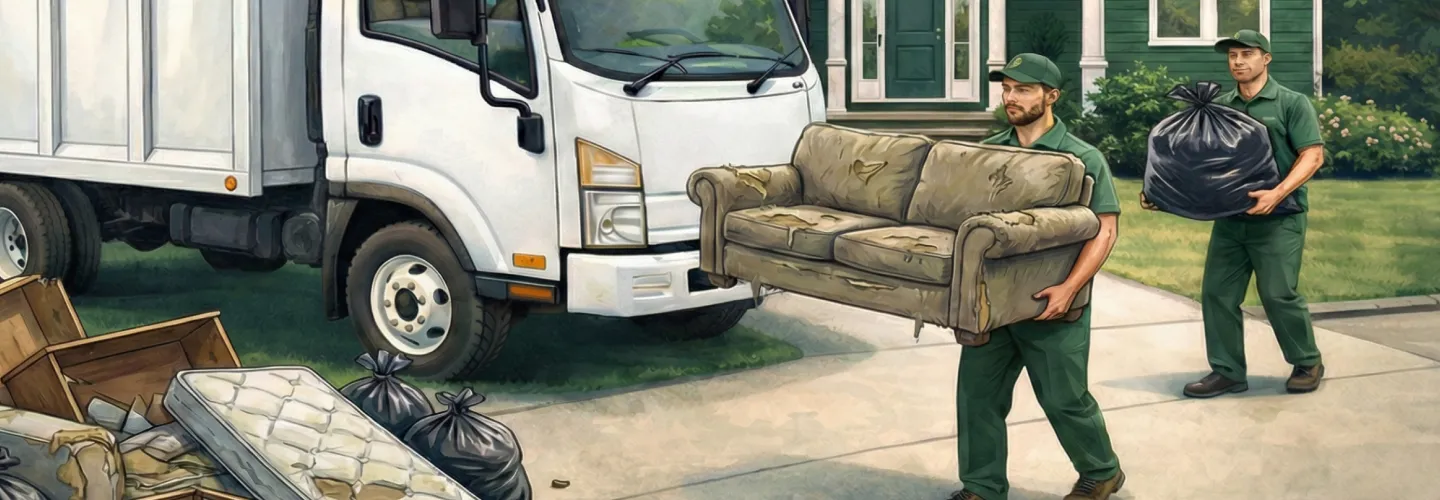
Choose our furniture removal service for reliable, eco-friendly disposal and hassle-free pickup—making your move or cleanout simple, affordable, and worry-free.
Get a Free QuoteOur Plymouth Junk Removal Services
Furniture Removal in Plymouth, MA – Local Service Guide
Furniture removal in Plymouth, MA, is a year-round need, with peak demand during spring cleanouts, summer moves, and after major life events like downsizing or estate transitions. In neighborhoods like Chiltonville and Manomet, residents often replace old sofas, mattresses, or appliances, especially after seasonal storms or renovations. Options for disposal include donation to local charities, recycling centers, or professional hauling services that handle large or bulky items. Access can be a challenge in historic areas with narrow driveways or during winter when snow limits curbside pickup. For residential spaces such as garages, basements, or yards, flooding near Eel River or heavy tree coverage in West Plymouth can drive frequent cleanouts, especially after storms or during fall leaf cycles. Commercial clients in downtown Plymouth, medical offices, and retail spaces require discreet, timely removal to minimize disruption, often dealing with higher volumes and strict operational windows. Specialty services—like dumpster rentals for construction debris or coordinated estate cleanouts—demand careful planning and compliance with local guidelines. For more on local disposal rules, visit the official Plymouth city website.
Key Considerations for Furniture Removal in Plymouth
- Timing around seasonal cleanouts and weather events
- Permit requirements for curbside or large-scale removals
- Approved disposal and recycling channels
- Property access challenges in historic or flood-prone areas
- Volume and category-specific handling (e.g., appliances, hot tubs)
- Coordination for commercial or specialty projects
Benefits of Furniture Removal in Plymouth
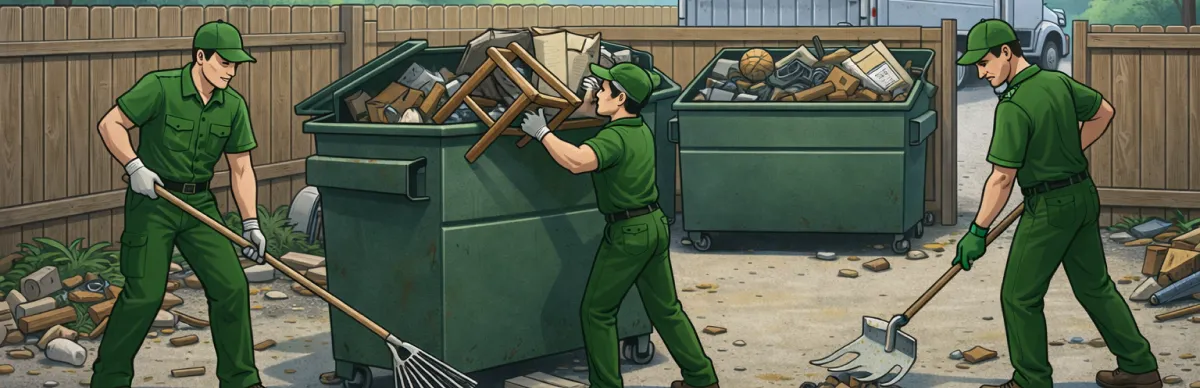
Fast and Reliable Service
Eco-Friendly Disposal
Experienced Removal Team
Flexible Scheduling Options
Affordable Pricing
Safe Handling of Furniture
Coordinating Furniture Removal with Plymouth’s Solid Waste Management Programs
Furniture removal in Plymouth, MA is governed by the city’s solid waste management protocols, which prioritize safe, legal, and environmentally responsible disposal. Residents can schedule bulk item pickups through the Department of Public Works by calling at least 48 hours in advance. Curbside collection is typically offered on the first Monday of each month, with a maximum of two large items per pickup. Items must be placed curbside by 6:00 AM on the scheduled day, and improper placement may result in code violations. For self-hauling, the Plymouth Transfer Station accepts furniture Monday through Saturday, 7:00 AM to 5:00 PM, with a valid resident ID and a disposal fee of $35 per cubic yard (minimum $10 charge). Prohibited items include mattresses with bedbugs, electronics, and hazardous materials. Residents should review the city’s guidelines to ensure compliance and avoid penalties.
Department of Public Works
26 Court Street, Plymouth, MA 02360
Phone: (508) 747-1620
Official Website: Department of Public Works
Plymouth’s Environmental Compliance: Landfill Bans and Recycling Mandates for Furniture Disposal
Plymouth enforces Massachusetts’ strict landfill bans, which prohibit the disposal of certain materials, including electronics, mattresses, and mercury-containing products, in regular trash. Furniture containing these materials must be separated and handled according to state and local regulations. The Massachusetts Department of Environmental Protection (MassDEP) oversees compliance, requiring residents and haulers to divert recyclable and hazardous components. Key requirements include:
- Electronics and CRTs: Must be recycled at designated facilities; landfill disposal is banned statewide
- Mattresses: Must be recycled or disposed of at approved locations; illegal dumping is subject to fines
- Upholstered furniture: Remove batteries or mercury switches before disposal
- Hazardous materials: Paints, solvents, and chemicals are prohibited in bulk waste
- Donation and reuse: Encouraged for items in good condition
Non-compliance may result in fines of $100–$500 per incident. Residents should consult the city and state resources for up-to-date recycling locations and accepted materials.
Massachusetts Department of Environmental Protection
One Winter Street, Boston, MA 02108
Phone: (617) 292-5500
Official Website: Massachusetts Department of Environmental Protection
Legal and Permit Requirements for Furniture Removal in Plymouth’s Residential and Historic Districts
Furniture removal activities in Plymouth may require permits or special approvals, especially in historic districts or multi-family buildings. The city enforces right-of-way regulations for removal trucks, and parking permits may be necessary for extended loading. In historic areas, additional review by the Historic District Commission may be required to protect building integrity. Key legal requirements include:
- Right-of-way permits: Required for truck parking on public streets; apply 5 business days in advance
- Building access: Service elevator reservations or stairwell clearance may be mandated
- Historic district approvals: Removal work must comply with preservation guidelines
- Noise ordinances: Work hours typically restricted to 7:00 AM–7:00 PM
- Code enforcement: Improper disposal or property damage may result in citations
Residents and contractors should coordinate with the Department of Code Enforcement and building management to ensure all legal requirements are met.
Department of Code Enforcement
26 Court Street, Plymouth, MA 02360
Phone: (508) 747-1620
Official Website: Department of Code Enforcement
Recycling and Material Recovery Options for Furniture in Plymouth
Plymouth encourages residents to prioritize recycling and material recovery when disposing of furniture. The city partners with local organizations and regional recycling centers to divert reusable items from landfills. Accepted items for recycling include wood furniture, metal bed frames, and certain upholstered pieces (if free of contaminants). Residents can:
- Donate usable furniture: Local charities and reuse centers accept items in good condition
- Recycle metal and wood: Drop-off at the Plymouth Transfer Station or regional recycling facilities
- Mattress recycling: Available at select locations; fees may apply
- E-waste and appliance recycling: Separate programs for electronics and white goods
- Check for hazardous components: Remove batteries, mercury switches, or refrigerants before recycling
For a list of approved recycling centers and donation partners, consult the city’s solid waste management page or the MassDEP recycling directory.
What Neighborhoods Do We Serve Throughout Plymouth, MA?
- Downtown Plymouth: Features historic buildings and narrow streets, requiring careful coordination for truck access and adherence to preservation guidelines. Service elevator reservations and parking permits are often necessary for multi-story properties.
- North Plymouth: A mix of single-family homes and apartment complexes, with ample driveway access but occasional parking restrictions. Bulk pickups are common during seasonal move-outs.
- Manomet: Predominantly residential with larger lots, allowing for easier curbside placement of furniture. Some areas may require advance notice for oversized item collection.
- West Plymouth: Suburban neighborhoods with newer construction, wide streets, and accessible driveways. Homeowners’ associations may have additional disposal rules.
- Chiltonville: Characterized by older homes and limited street width, necessitating smaller removal vehicles and careful handling of potentially hazardous materials like lead paint.
- The Pinehills: Planned community with HOA regulations; residents must obtain approval for bulk pickups and follow specific placement guidelines.
- South Plymouth: Includes both rural and coastal properties, where longer driveways and soft ground conditions may affect truck access and scheduling.