
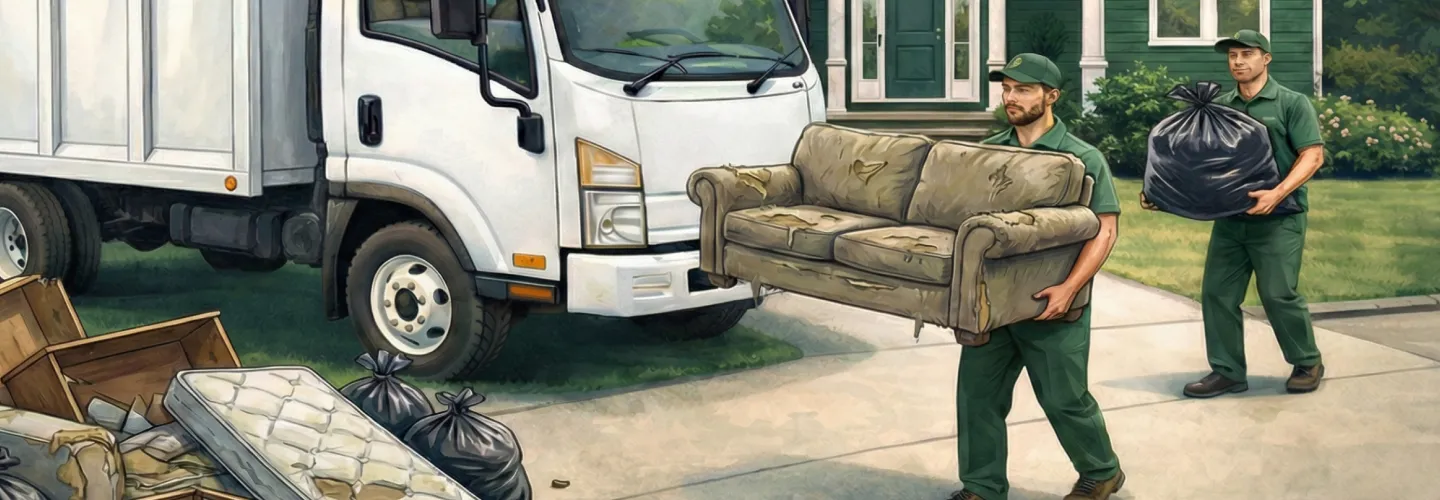
Plymouth Hoarding Cleanup Services
Choose our hoarding cleanup experts for discreet, respectful service that restores safety, comfort, and peace of mind to your home.
Get a Free QuoteOur Plymouth Junk Removal Services
Hoarding Cleanup in Plymouth, MA – Local Service Guide
Hoarding cleanup in Plymouth, MA requires a sensitive, thorough approach tailored to local needs. In neighborhoods like Chiltonville and Manomet, residents often face clutter challenges after seasonal transitions, major life events, or property renovations. For residential items—such as furniture, mattresses, appliances, and even hot tubs—timing often aligns with spring cleanouts, estate transitions, or post-storm replacements. Local options include donation, recycling, or responsible disposal, with logistics shaped by driveway access, weather, and item size. Residential spaces like garages, basements, and yards see increased activity after winter or heavy rains, especially in flood-prone areas near Eel River. Regular trash pickup and yard waste schedules help manage ongoing needs.
Commercial properties in downtown Plymouth and along Court Street require discreet, timely service for offices, restaurants, and retail spaces, often during off-hours to minimize disruption. Specialty cleanups—such as for foreclosures, estates, or construction debris—demand careful planning, coordination with property managers, and adherence to local guidelines. For more on local rules and resources, visit the official Plymouth city website.
Key Considerations for Hoarding Cleanup in Plymouth
- Timing cleanouts with local trash and yard waste schedules
- Securing necessary permits for large-scale removals
- Choosing proper disposal or recycling channels
- Navigating access in historic or flood-prone neighborhoods
- Managing high volumes and category-specific items
- Coordinating with local authorities and property managers
Benefits of Hoarding Cleanup in Plymouth
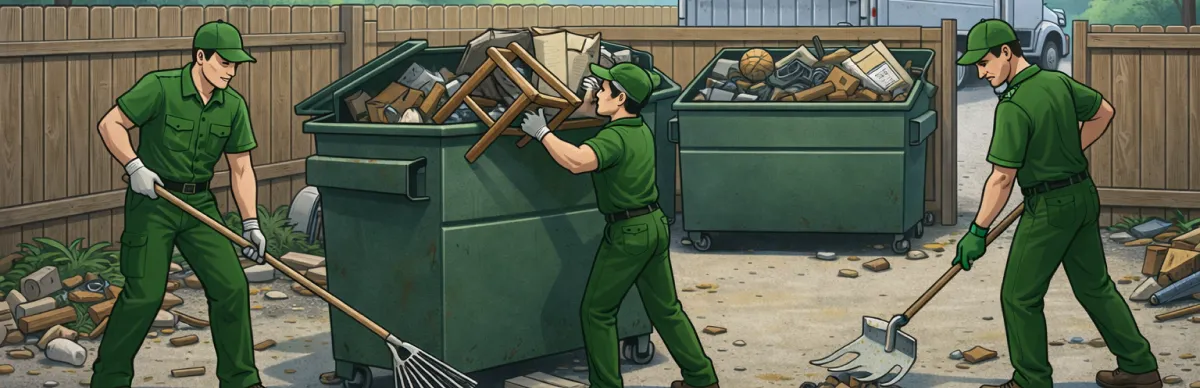
Professional and Compassionate Team
Discreet and Confidential Service
Thorough Property Restoration
Fast Response Times
Safe and Eco-Friendly Disposal
Customized Cleanup Solutions
Coordinating Hoarding Cleanup with Plymouth’s Solid Waste and Bulk Collection Programs
Effective hoarding cleanup in Plymouth requires strict adherence to municipal solid waste management protocols. The Department of Public Works oversees bulk trash collection, which is scheduled monthly for residential properties. Residents must call at least 48 hours in advance to arrange pickup, and items must be placed curbside by 6:00 AM on the designated day. The Plymouth Transfer Station, located at 159 Camelot Drive, operates Monday through Saturday from 7:30 AM to 3:00 PM and requires a valid resident permit for access. Disposal fees are typically $35 per ton, with a $10 minimum charge. Prohibited items, such as hazardous waste and electronics, must be separated prior to collection. For large-scale hoarding cases, commercial haulers must be licensed by the city and comply with all local disposal regulations.
- Monthly bulk collection: call 48 hours ahead
- Transfer Station: 159 Camelot Dr, Mon-Sat 7:30 AM–3:00 PM
- Fees: $35/ton, $10 minimum
- Resident permit required for self-haul
- Licensed hauler required for commercial jobs
Department of Public Works
26 Court Street, Plymouth, MA 02360
Phone: (508) 747-1620
Official Website: Department of Public Works
Navigating Plymouth’s Code Enforcement and Health Department Requirements for Hoarding Cases
Hoarding cleanup in Plymouth is subject to oversight by both the Code Enforcement and Health Departments. Properties with excessive accumulation may be cited for code violations, including blocked egress, fire hazards, and unsanitary conditions. The Health Department may issue abatement orders requiring prompt remediation. Entry for cleanup often requires coordination with building inspectors, especially in multi-family or historic properties. Permits may be necessary for removal of structural debris or for use of dumpsters on public property. Residents and property owners should be aware that failure to comply with abatement orders can result in fines ranging from $100 to $500 per violation. Documentation of proper waste disposal is required for code compliance.
- Code violations: blocked exits, fire hazards, sanitation
- Health Department abatement orders: mandatory cleanup
- Permits: required for structural debris removal
- Fines: $100–$500 per violation
- Documentation: proof of legal disposal required
Department of Code Enforcement
26 Court Street, Plymouth, MA 02360
Phone: (508) 747-1620
Official Website: Department of Code Enforcement
Department of Health
26 Court Street, Plymouth, MA 02360
Phone: (508) 747-1620
Official Website: Department of Health
Ensuring Environmental Compliance: Massachusetts Solid Waste Laws and Recycling Mandates
Massachusetts enforces strict solid waste regulations that directly impact hoarding cleanup in Plymouth. The Massachusetts Department of Environmental Protection (MassDEP) prohibits landfill disposal of certain materials, including electronics, CRTs, mercury-containing devices, and yard waste. All recyclable materials must be separated from trash, and improper disposal can result in significant penalties. Residents and haulers must utilize designated recycling centers for banned items. Hazardous waste, such as paints, solvents, and batteries, must be taken to authorized collection events or facilities. The state’s waste ban regulations are detailed in the Massachusetts Waste Ban List. Compliance is monitored through random load inspections at transfer stations and landfills.
- Electronics and CRTs: landfill ban enforced
- Mercury devices and yard waste: separate collection required
- Hazardous waste: only at authorized events/facilities
- Recycling: mandatory separation of paper, cardboard, bottles, cans
- Penalties: fines for non-compliance, load rejection at facilities
Massachusetts Department of Environmental Protection
Boston, MA 02114
Phone: (617) 292-5500
Official Website: Massachusetts Department of Environmental Protection
Material Handling and Safety Protocols for Hoarding Cleanup in Plymouth
Proper material handling is essential during hoarding cleanup to protect both workers and residents. OSHA standards require the use of personal protective equipment (PPE), including gloves, masks, and eye protection, especially when handling biohazards or sharp objects. Plymouth’s older housing stock may contain lead paint or asbestos, necessitating compliance with the EPA Lead-Safe Renovation Rule and state asbestos regulations. Heavy lifting protocols must be followed to prevent injury, and all hazardous materials must be identified and segregated for specialized disposal. Insurance and liability coverage are mandatory for all professional cleanup contractors operating in Plymouth.
- PPE: gloves, masks, eye protection required
- Lead/asbestos: survey and certified abatement if present
- Heavy lifting: use of proper equipment and team lifting
- Hazardous materials: segregate for special disposal
- Insurance: proof required for all contractors
What Neighborhoods Do We Serve Throughout Plymouth, MA?
- Downtown Plymouth: Historic buildings and narrow streets require careful planning for access and parking. Many properties lack elevators, making stairwell navigation and manual debris removal necessary.
- Manomet: Predominantly single-family homes with larger lots allow for easier placement of dumpsters and vehicles. However, older homes may present lead paint or asbestos concerns during cleanup.
- West Plymouth: Suburban developments with wide driveways and cul-de-sacs facilitate bulk waste removal. HOA rules may require advance notification or restrict curbside placement of debris.
- North Plymouth: Mix of multi-family and commercial properties; parking constraints and shared access points necessitate coordination with property managers and adherence to fire lane regulations.
- Cedarville: Rural and semi-rural areas with long driveways and soft ground conditions may require site assessment for vehicle access and placement of protective boards under dumpsters.
- Chiltonville: Older homes and proximity to wetlands require environmental precautions, including proper handling of hazardous materials and compliance with local conservation rules.
- The Pinehills: Newer planned community with strict HOA guidelines; all cleanup activities must be pre-approved, and placement of equipment is often limited to designated areas.