
Plymouth Estate Cleanout Services
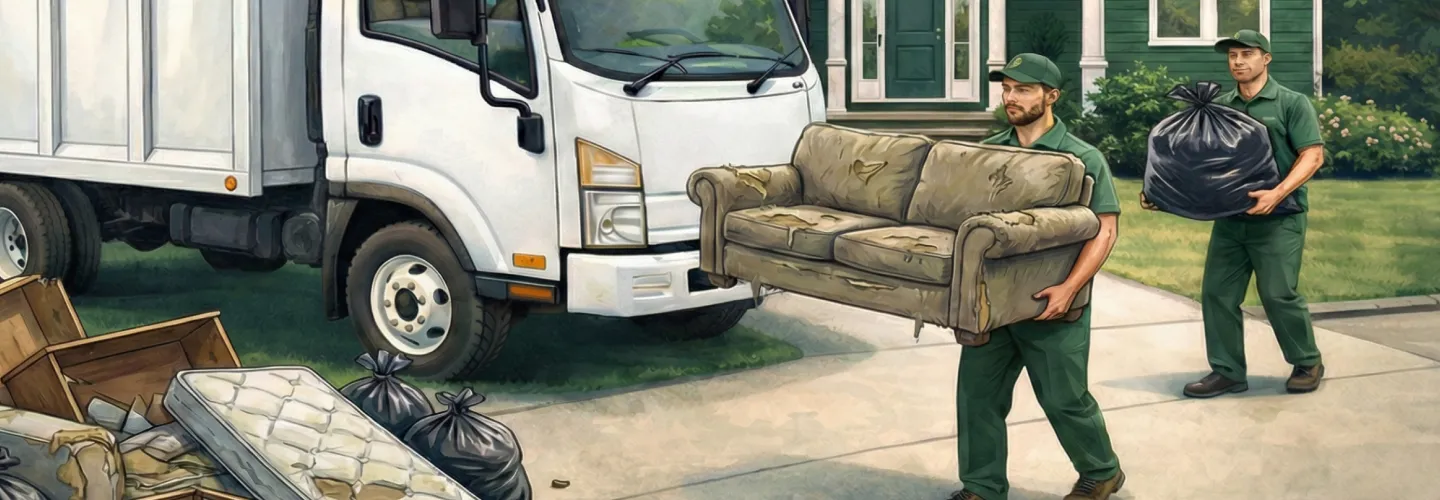
Choose us for your estate cleanout needs and experience respectful, thorough service that eases your transition and ensures every detail is handled with care.
Get a Free QuoteOur Plymouth Junk Removal Services
Estate Cleanout in Plymouth, MA – Local Service Guide
Estate cleanouts in Plymouth, MA, require a thoughtful approach tailored to local needs. For residential items like furniture, mattresses, and appliances, cleanouts often follow major life events, seasonal upgrades, or property sales—especially in neighborhoods like Chiltonville and West Plymouth. Residents frequently donate or recycle usable goods, while larger items such as hot tubs or sheds may need special handling due to size or weather constraints. For residential spaces, spring and fall are peak times for garage, basement, and attic cleanouts, with coastal storms and tree coverage in areas like Manomet driving yard waste and trash pickup needs. Commercial clients in downtown Plymouth and the Colony Place area face unique requirements, from discreet office cleanouts to high-volume restaurant or retail disposals, often needing after-hours service. Specialty services—such as estate, foreclosure, or hoarding cleanouts—demand careful planning, coordination with property managers, and compliance with local regulations. For more on local rules and resources, visit the official Plymouth city website.
Key Considerations for Estate Cleanout in Plymouth
- Timing around seasonal changes and local events
- Required permits for large disposals or dumpsters
- Approved disposal and recycling channels
- Property access and weather-related logistics
- Volume and category-specific handling
- Coordination with local authorities and service providers
Benefits of Estate Cleanout in Plymouth
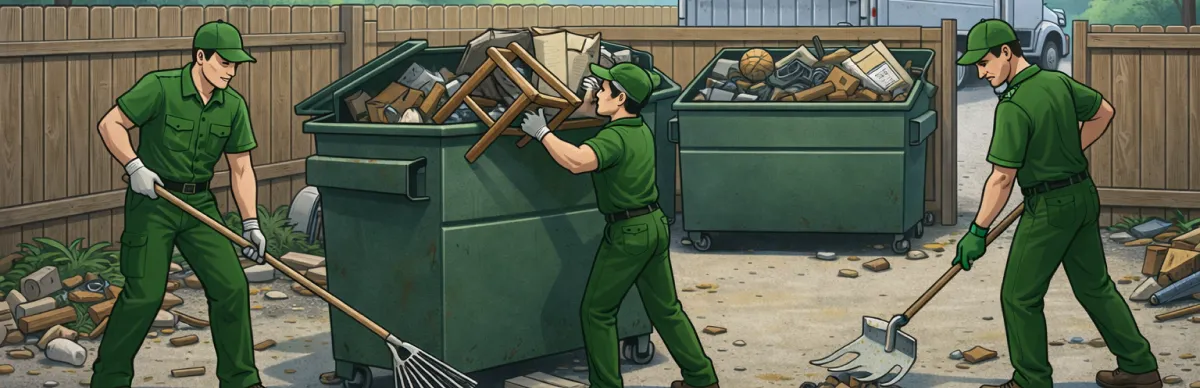
Fast and Efficient Service
Experienced Cleanout Professionals
Eco-Friendly Disposal Solutions
Comprehensive Estate Cleanout
Transparent Upfront Pricing
Flexible Scheduling Options
Coordinating Estate Cleanout with Plymouth’s Solid Waste and Bulk Collection Programs
Estate cleanout projects in Plymouth, MA require careful coordination with the city’s solid waste management and bulk collection services. The Department of Public Works oversees monthly curbside bulk item pickups, which must be scheduled at least 48 hours in advance. Residents are limited to two cubic yards or 200 pounds of bulk waste per collection, and items must be placed curbside by 6:00 AM on the scheduled day. The Plymouth Transfer Station, located at 159 Camelot Drive, accepts additional household items Monday through Saturday from 7:30 AM to 3:00 PM; a valid resident sticker is required, and disposal fees start at $10 per load. Prohibited items include hazardous waste, electronics, and construction debris. For large-scale estate cleanouts, commercial haulers must be licensed by the city and comply with all local disposal regulations.
Department of Public Works
26 Court Street, Plymouth, MA 02360
Phone: (508) 747-1620
Official Website: Department of Public Works
- Schedule bulk pickups 48 hours in advance
- Two cubic yard or 200-pound limit per collection
- Transfer Station open Monday–Saturday, 7:30 AM–3:00 PM
- Resident sticker and fees required for self-haul
- Licensed haulers required for commercial cleanouts
Understanding Plymouth’s Regulations for Hazardous and Prohibited Materials in Estate Cleanouts
Proper handling of hazardous and prohibited materials is essential during estate cleanouts in Plymouth. The city enforces Massachusetts landfill bans on items such as electronics, mercury-containing devices, and certain batteries. Paints, chemicals, and asbestos-containing materials are strictly prohibited from regular disposal streams and must be taken to designated hazardous waste collection events, typically held seasonally at the Plymouth DPW facility. Violations can result in fines of $250–$500 per incident. Residents should consult the Massachusetts Department of Environmental Protection for a full list of banned items and safe disposal procedures. Appliances containing refrigerants require certified removal of chemicals before disposal, in accordance with EPA Section 608 regulations.
Massachusetts Department of Environmental Protection
Boston, MA
Phone: (617) 292-5500
Official Website: Massachusetts Department of Environmental Protection
- Electronics and mercury devices banned from landfill
- Hazardous waste events held seasonally at DPW
- Fines for improper disposal: $250–$500
- Appliances require refrigerant removal certification
- Consult MassDEP for full banned item list
Permitting, Code Enforcement, and Legal Requirements for Estate Cleanout Activities in Plymouth
Estate cleanout operations in Plymouth may require permits and coordination with city code enforcement, especially when involving large vehicles, right-of-way access, or work in historic districts. Right-of-way permits are necessary for parking removal trucks on public streets, with applications submitted to the Department of Public Works at least five business days in advance. Fees typically range from $25–$50 per day. For properties within Plymouth’s historic districts, additional review by the Historic District Commission may be required before removing fixtures or conducting renovations. Commercial cleanout providers must hold valid business licenses and insurance, and all activities must comply with city noise ordinances and operating hour restrictions (typically 7:00 AM–7:00 PM). Code enforcement officers may inspect sites for compliance with waste handling and property protection standards.
Department of Code Enforcement
26 Court Street, Plymouth, MA 02360
Phone: (508) 747-1620
Official Website: Department of Code Enforcement
- Right-of-way permits for truck parking: $25–$50/day
- Five business day advance application required
- Historic district review for fixture removal
- Commercial providers must be licensed and insured
- Compliance with noise and operating hour ordinances
Recycling and Material Recovery Options for Estate Cleanouts in Plymouth
Plymouth encourages recycling and material recovery during estate cleanouts to reduce landfill waste and comply with state mandates. The city’s transfer station accepts sorted recyclables, including cardboard, metals, and rigid plastics, at no additional charge for residents. Electronics recycling is mandatory under the Massachusetts landfill ban; items such as TVs and computers must be brought to the designated e-waste drop-off at the transfer station. Furniture and household goods in usable condition can be donated to local organizations such as Habitat for Humanity ReStore. Appliances must have refrigerants removed by a certified technician before recycling. Residents are encouraged to consult the How & Where to Recycle or Dispose of Items resource for detailed guidance on recycling and reuse options.
- Transfer station accepts sorted recyclables free for residents
- Electronics recycling required by state law
- Furniture donation available at local charities
- Appliances require certified refrigerant removal
- Consult MassDEP recycling guide for accepted items
What Neighborhoods Do We Serve Throughout Plymouth, MA?
- Downtown Plymouth: Features historic homes and multi-story buildings, often requiring stairwell navigation and coordination with the Historic District Commission for fixture removal. Limited street parking may necessitate right-of-way permits for removal vehicles.
- Manomet: Predominantly single-family homes with larger lots, allowing easier truck access and curbside placement of bulk items. Seasonal residents may require flexible scheduling for estate cleanouts.
- West Plymouth: Mix of residential developments and commercial properties. Gated communities may have HOA restrictions on waste removal and require advance notification for access.
- North Plymouth: Older housing stock with narrow streets and limited driveway space. Estate cleanouts here often involve careful planning for truck access and adherence to city parking regulations.
- Cedarville: Suburban neighborhood with newer homes and wider streets, facilitating straightforward removal logistics. Residents benefit from proximity to the transfer station for self-haul options.
- Chiltonville: Characterized by historic properties and large estates, often requiring special handling of antiques and coordination with local preservation guidelines.
- The Pinehills: Planned community with HOA oversight; estate cleanouts must comply with community rules regarding truck access, noise, and disposal timing.