
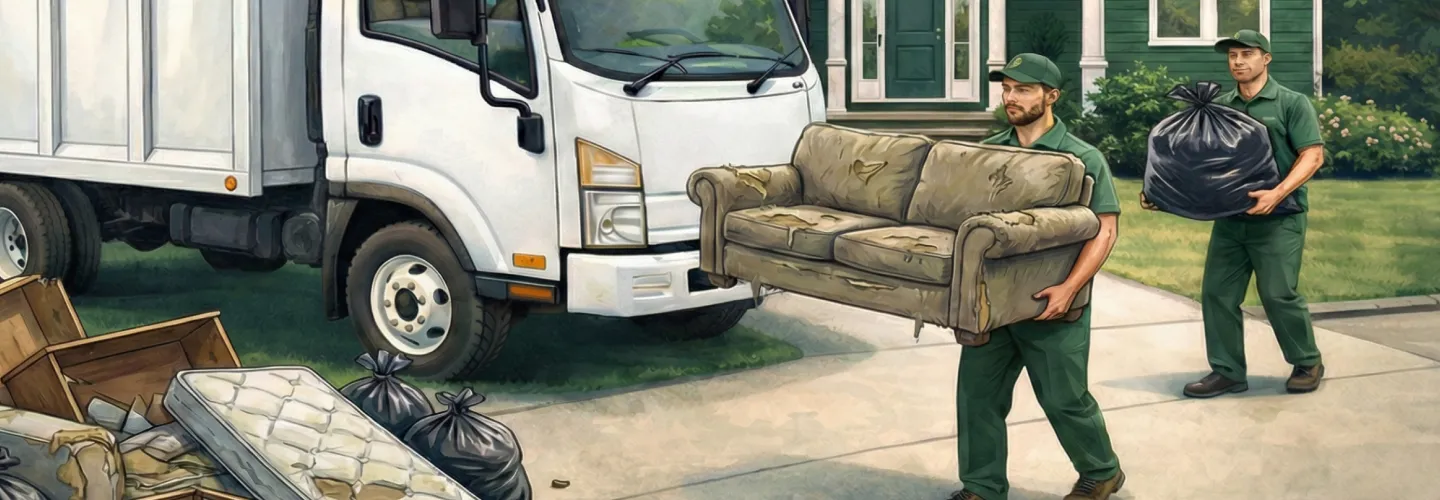
Plymouth Hot Tub Removal Services
Choose our Hot Tub Removal service for safe, efficient, and eco-friendly disposal—saving you time, effort, and stress while ensuring your space is left clean and ready for your next project.
Get a Free QuoteOur Plymouth Junk Removal Services
Hot Tub Removal in Plymouth, MA – Local Service Guide
Hot tub removal in Plymouth, MA is a common need for homeowners upgrading their outdoor spaces or managing property transitions. In neighborhoods like Chiltonville and The Pinehills, residents often schedule removals during spring cleanouts or after harsh winters when older units become damaged. Life events such as home sales or backyard renovations also trigger removal needs. Local disposal options include recycling components or arranging for eco-friendly disposal, as many hot tubs contain recyclable metals and plastics. Access can be a challenge in historic areas with narrow driveways or limited yard space, and weather conditions—especially coastal storms—can impact scheduling. Professional removal teams are equipped to handle large, heavy units, ensuring safe extraction without property damage. For those in Plymouth, understanding local disposal rules and available resources is essential; consult the official city website for up-to-date guidelines.
Key Considerations for Hot Tub Removal in Plymouth
- Optimal timing: spring/fall or post-storm
- Permit requirements for large removals
- Local recycling and disposal channels
- Access challenges in historic or waterfront neighborhoods
- Volume and weight of hot tubs
- Coordination with HOA or local authorities
Benefits of Hot Tub Removal in Plymouth
Fast and Efficient Service
Safe Hot Tub Disposal
Eco-Friendly Removal Practices
Experienced Removal Team
Hassle-Free Scheduling
Competitive Pricing
Coordinating Hot Tub Removal with Plymouth’s Solid Waste Management Programs
Proper hot tub removal in Plymouth, MA requires coordination with the city’s solid waste management services. The Department of Public Works does not accept hot tubs through regular curbside collection; instead, residents must schedule a bulk waste pickup or transport the unit to the Plymouth Transfer Station. Bulk item pickups are available by appointment, with a limit of two large items per collection and a nominal fee per item. The Transfer Station, located at 159 Camelot Drive, operates Monday through Saturday from 7:30 AM to 3:00 PM and requires a valid resident permit for access. Hot tubs must be drained, disconnected from utilities, and cut into manageable sections before disposal. Residents should review the city’s guidelines for accepted materials and prohibited items to ensure compliance.
- Bulk pickup: Appointment required; two-item limit; fees apply
- Transfer Station: Resident permit needed; open Mon-Sat 7:30 AM–3:00 PM
- Preparation: Drain, disconnect, and section hot tub
- Prohibited items: Hazardous materials, electronics, and certain plastics
- Fees: Vary by item size and weight
Department of Public Works
26 Court Street, Plymouth, MA 02360
Phone: (508) 747-1620
Official Website: Department of Public Works
Plymouth’s Environmental Compliance and State Solid Waste Regulations for Hot Tub Disposal
Disposing of hot tubs in Plymouth must comply with both local and state environmental regulations. The Massachusetts Department of Environmental Protection (MassDEP) enforces landfill bans on certain materials, including large plastics, treated wood, and electronic components often found in hot tubs. Residents are required to separate recyclable components, such as metal frames and electrical parts, before disposal. Improper disposal may result in fines or code violations. The city encourages recycling of eligible materials at authorized facilities and mandates that hazardous substances, such as leftover chemicals from hot tub systems, be taken to the Household Hazardous Waste Collection events. For detailed guidance, consult the Massachusetts Department of Environmental Protection and review the state solid waste regulations.
- Landfill bans: Large plastics, electronics, treated wood
- Recycling: Separate metal, plastic, and electrical components
- Hazardous waste: Chemicals must go to designated collection events
- Fines: Improper disposal may incur penalties
- State guidance: MassDEP provides compliance resources
Massachusetts Department of Environmental Protection
Boston, MA
Phone: (617) 292-5500
Official Website: Massachusetts Department of Environmental Protection
Permit, Access, and Safety Requirements for Hot Tub Removal in Plymouth
Removing a hot tub from Plymouth properties often involves navigating local permit requirements and safety protocols. If removal requires use of public streets or sidewalks for loading, a right-of-way permit from the Department of Public Works is mandatory. For multi-family buildings or historic districts, additional approvals from the Building Department or local historic commission may be necessary. Safety standards require that all electrical and plumbing connections be professionally disconnected, and that heavy lifting is performed using proper equipment to prevent injury. Residents should verify access routes, including stairwells and doorways, to ensure safe removal without property damage. Insurance coverage is recommended for professional removals.
- Right-of-way permit: Required for street/sidewalk use
- Building approvals: Needed for historic/multi-family properties
- Safety: Professional disconnection of utilities
- Access: Measure doorways, stairwells, and pathways
- Insurance: Recommended for liability protection
Building Department
26 Court Street, Plymouth, MA 02360
Phone: (508) 747-1620
Official Website: Building Department
Recycling and Material Recovery Options for Hot Tub Components in Plymouth
Plymouth encourages residents to recycle as many hot tub components as possible to support landfill diversion goals. Metal frames, pumps, and wiring can be taken to local scrap metal recyclers or the city’s Transfer Station recycling area. Rigid plastics and wood panels may be accepted if separated and free of contaminants. Foam insulation and vinyl covers are generally not recyclable and must be disposed of as solid waste. Residents should consult the city’s recycling guidelines and inquire about donation options for reusable parts. For hazardous components, such as electrical controls or chemical residues, use the city’s hazardous waste collection events.
- Metal: Recycle at Transfer Station or scrap yards
- Plastics/wood: Accepted if clean and separated
- Foam/vinyl: Dispose as solid waste
- Hazardous parts: Use hazardous waste collection events
- Donation: Check with local reuse organizations
Solid Waste Management Division
159 Camelot Drive, Plymouth, MA 02360
Phone: (508) 830-4162
Official Website: Solid Waste Management Division
What Neighborhoods Do We Serve Throughout Plymouth, MA?
- Downtown Plymouth: Historic homes and narrow streets require careful planning for hot tub removal. Permits may be needed for street access, and older buildings often have limited entryways.
- Manomet: Predominantly single-family homes with larger yards allow for easier removal logistics, but driveway access and utility disconnection must be verified in advance.
- West Plymouth: Suburban developments with wider streets and modern construction facilitate equipment access. Homeowners’ associations may have specific disposal guidelines.
- North Plymouth: Mixed residential and commercial properties may require coordination with building management and adherence to commercial waste regulations.
- Cedarville: Rural and semi-rural settings can present challenges with long driveways and soft ground, necessitating site assessment for heavy equipment.
- Chiltonville: Older homes and hilly terrain may complicate removal; stairwell navigation and property protection are key considerations.
- The Pinehills: Planned community with HOA rules; advance notification and compliance with community guidelines are required for all removal activities.